
Sweetheart scams are an increasingly common form of financial abuse that leaves victims emotionally and financially devastated. These scams exploit trust, companionship, and vulnerability, disproportionately targeting older adults who are seeking connection or support. In fact, the AARP recently reported that 1 in 10 victims of sweetheart scams are 50 or older have made what they believe to be a romantic online connection before ultimately being asked for financial help or encouraged to invest in cryptocurrency.
Sweetheart scams, also known as romance scams, occur when a scammer builds a personal or romantic relationship with an older adult online with the ultimate goal of stealing money or sensitive information. These scams disproportionately affect individuals over the age of 65 and can be especially harmful to those experiencing loneliness, social isolation, or cognitive decline.
Sweetheart scams targeting older adults typically begin online. Fraudsters create fake profiles on social media platforms such as Facebook, Instagram, LinkedIn, or dating apps. They often use stolen photos of real individuals or even well-known celebrities to establish a convincing persona.

In celebrity romance scams, the scammer pretends to be a famous actor, singer, athlete, or influencer such as Keanu Reeves or Brad Pitt. Using real photos and public information, they create a convincing portrayal to establish legitimacy - an approach that can be particularly persuasive to seniors experiencing cognitive decline.
Once contact is established, scammers “groom” the victims over weeks or months by showing interest in their daily life and building emotional intimacy. Eventually, the relationship turns transactional, with scammers inventing a crisis or situation that requires financial help. Common stories include:
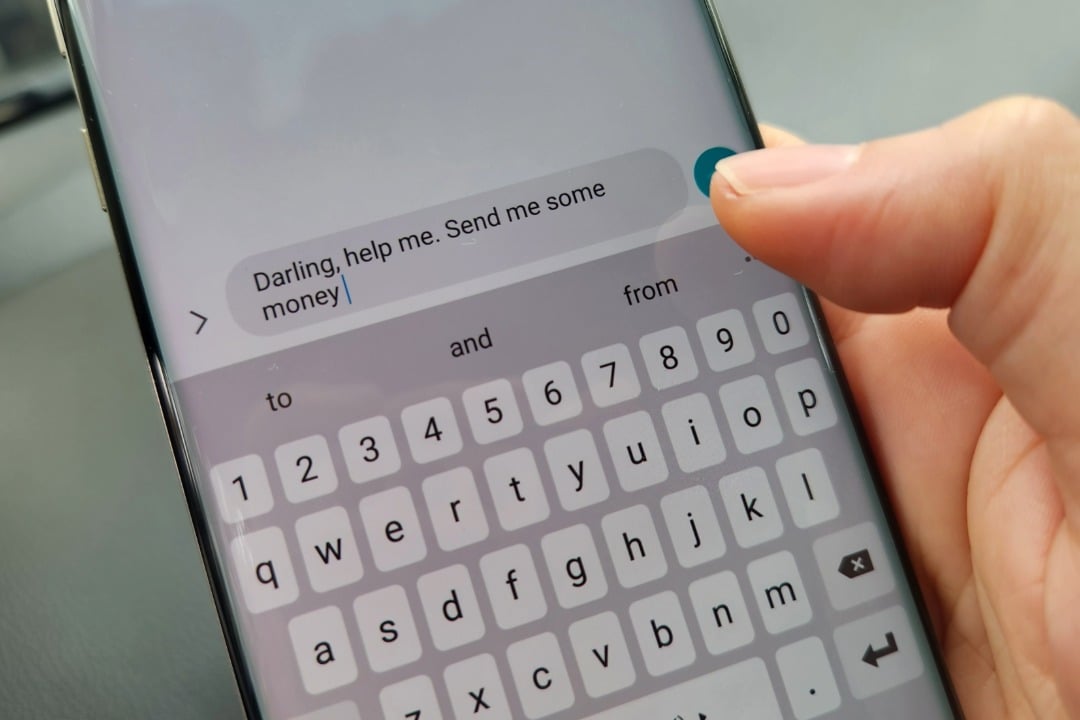
Additionally, there is usually always a reason they cannot meet in person, such as living overseas or traveling for work. These tactics are frequently used to exploit victims’ trust and desire for companionship.
As a community bank, we are resolute in our commitment to protecting clients from financial exploitation. Romance scams, in particular, have become increasingly prevalent across all age groups. Unfortunately, we have firsthand experience with these types of scams. Ana Gutierrez, Fraud Investigations Manager at ARB, shares a recent account of a sweetheart scam that impacted a local client.
A Real Story Example
She met him through an online dating app and quickly formed what she believed was a committed relationship. He said he lived overseas and often worked on an oil rig, using that as the reason they could never meet in person or video chat. There was always a believable explanation—security restrictions, extended contracts, bad weather—and always a promise that it wouldn’t be permanent.
Over several months, the relationship deepened emotionally. Eventually, he told her he was having trouble accessing his money while working offshore and asked for help. She knew his first name and future plans, but had yet to meet the friends or family members he asked her to send money to. When she asked, he said privacy was necessary because of his work. Trusting him, she began taking distributions from her retirement account and sending the funds to him via Zelle and using her debit card on the Cash App platform. He reassured her it was temporary and that he would repay her once his situation was resolved.
As financial questions and account issues arose, the truth became clear: the relationship was not real, and the money she sent could not be recovered. Despite the losses, letting go was difficult—because the emotional connection felt genuine.
This scenario is a common example of a sweetheart scam, where fraudsters use long‑term emotional manipulation and believable excuses to gain trust and access to funds.
Our team is committed to protecting clients from potential scams. We educate clients and caregivers about red flags to watch for, including:
Sweetheart scammers prefer payment methods that are fast and difficult to reverse. These methods include payment apps, wire transfers, gift cards, cryptocurrency, Bitcoin ATMs, and mailing cash. These methods are preferred because once funds are sent through these channels, recovery is often almost impossible.
To protect yourself or an older loved one, it is important to remember the following:
At American Riviera Bank, your financial well-being and that of your loved ones is important to us. If you are unsure about a transaction or feel pressured to move funds quickly, we encourage you to speak with a member of our bank’s management team before completing the transaction.

If you suspect elder financial abuse or fraud, encourage an open conversation without judgment. It is important to remember that the victim believes the relationship they have is real. You can help by sharing educational resources and guiding them toward a Romance Scam Recovery group to help process loss, embarrassment, and isolation.
The National Elder Fraud Hotline is a hotline sponsored by the US Department of Justice, with staff trained to help victims ages 60 and older to file reports with agencies such as the Internet Crime Complaint Center and the Federal Trade Commission.
In addition to these local resources, the American Bar Association maintains an Elder Abuse Resource Page to locate attorneys specializing in elder abuse.
Sweetheart scams are a serious and increasingly common form of financial fraud. Staying informed, asking questions, and speaking up when something doesn’t feel right can help protect you and those you care about from financial harm. American Riviera Bank is here to help you stay protected and supported.
To report suspected abuse locally, or if you want to learn more about common scams and warning signs, consider contacting one of these local community resources:
There are also a number of local resources available to help recover funds and provide legal assistance:
In addition to these local resources, the American Bar Association maintains an Elder Abuse Resource Page to locate attorneys specializing in elder abuse.
National Elder Fraud Hotline (US DOJ): 1-833-372-8311
National federal hotline for adults 60 and over to report fraud and providing support and resources/safety tips. Help with filing IC3 and FTC reports. Many languages. https://ovc.ojp.gov/program/stop-elder-fraud/providing-help-restoring-hope
If you or a loved one has been targeted by a Crypto Investment Confidence Fraud or Crypto‑Romance Investment Scam, please contact your local U.S. Secret Service field office and file a report with the Internet Crime Complaint Center (IC3).
FightCybercrime.org offers a 10-week training program.
Did the perpetrators manipulate you into being a money mule/money mover?
